The Role of Mental Health in Live Streaming
Introduction
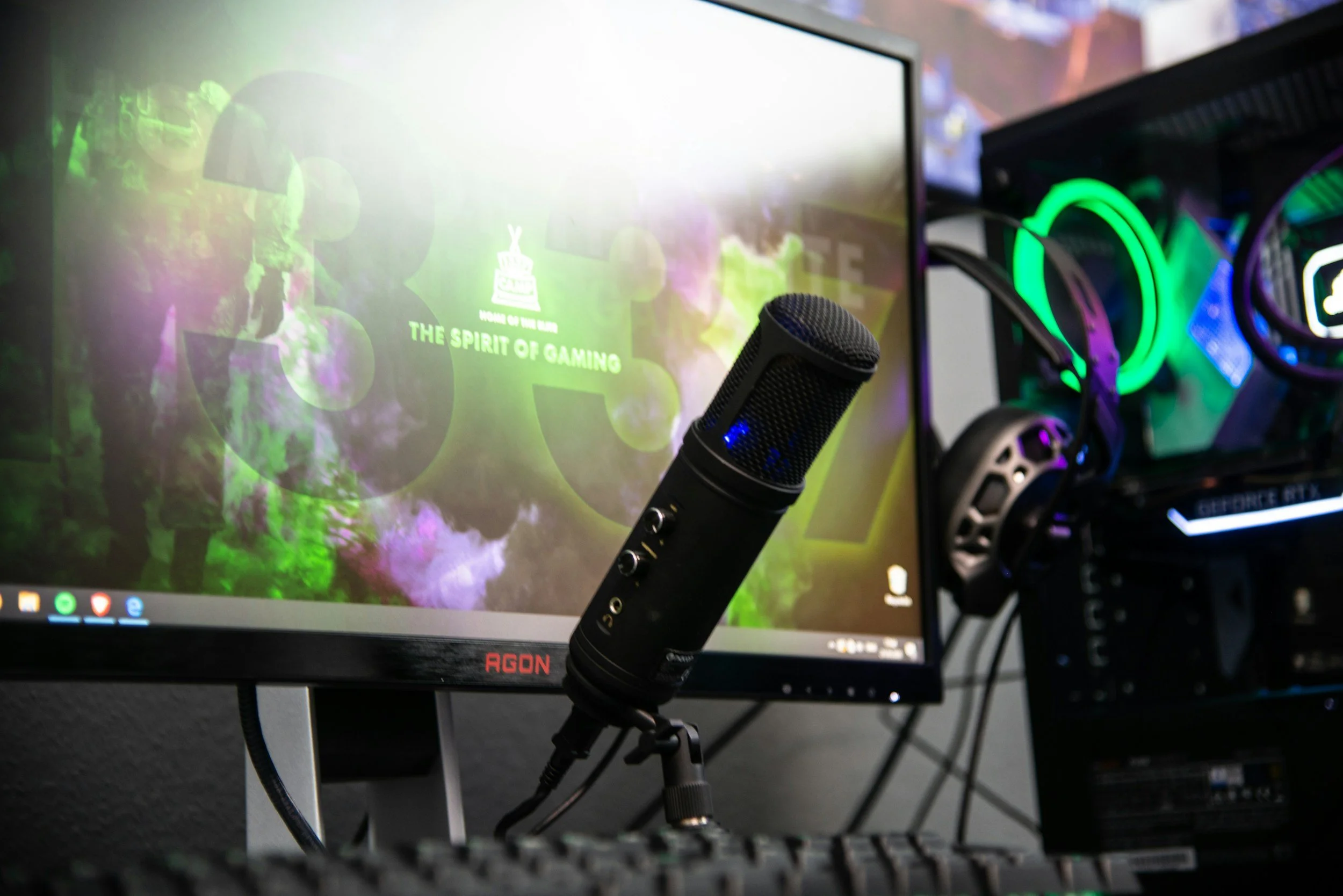
To an outside party — that is, someone who is not a streamer nor a live stream viewer — it may seem outlandish to propose that mental health and streaming have a solid, important connection to each other. Indeed, they are more intertwined than many assume, and as time passes and the stigma surrounding mental health begins to dwindle, conversations about mental health only become more and more entrenched into streaming content. These growing conversations are a positive, upwards trend that should be nurtured and encouraged to continue; after all, every single person must deal with their own mental health during their lifetime.
Whether a streamer streams to thousands of people or streams merely to five, they have a unique opportunity to advocate for important causes. By effectively utilizing the platform that is giving them a voice, streamers of all sizes can make a positive impact and help to break down that pesky stigma that revolves around something that is so paramount to our health.
The Importance of Mental Health for Streamers
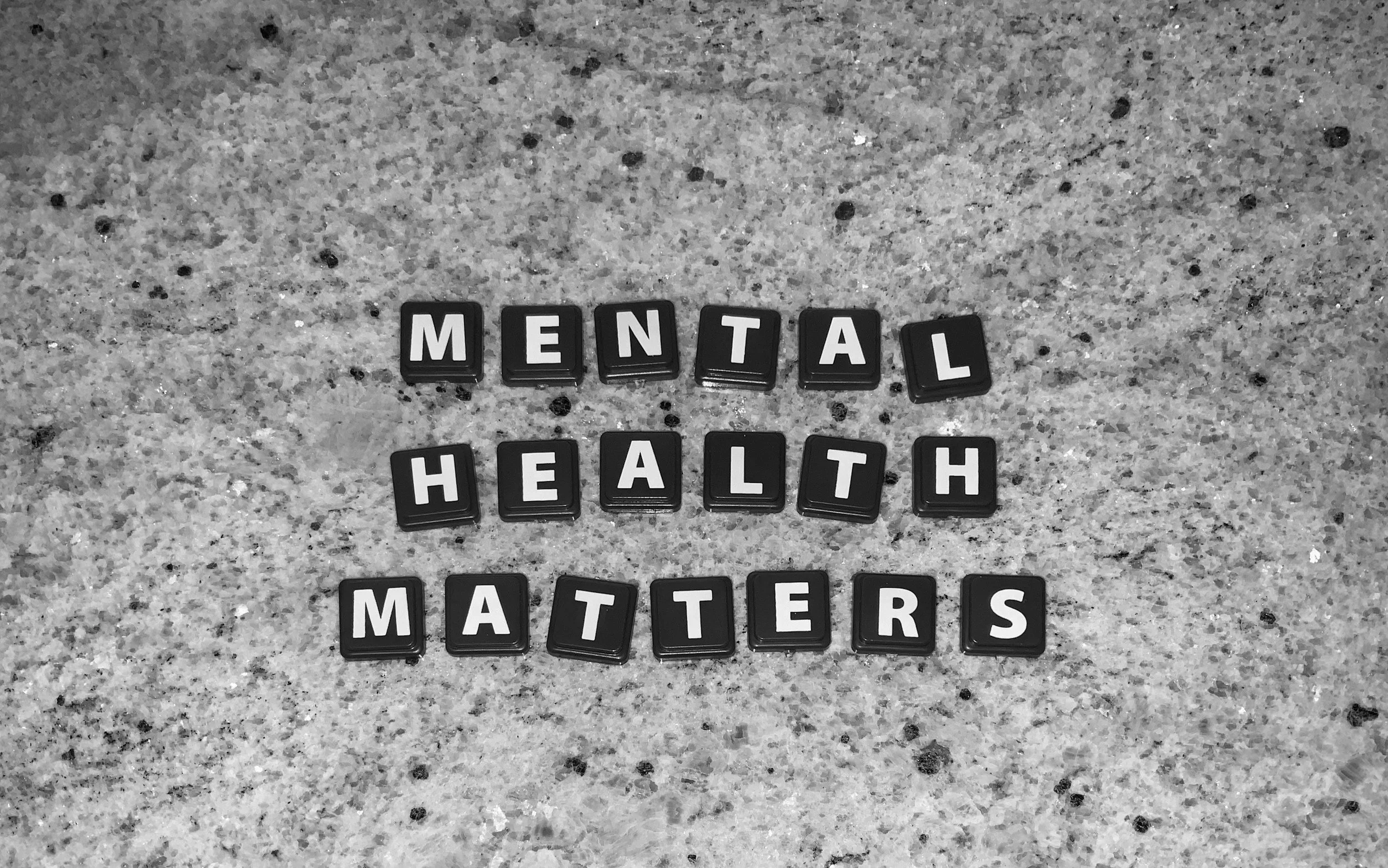
For better or for worse, streaming can have impacts on streamers themselves. Streaming can be a stress reliever or a challenge, though it's often both. It can be a tiring hobby or career that, though stressful, can pay impactful dividends.
Streamers often experience toxicity and burnout. These experiences are often due to a variety of factors, including but not limited to the pressure to entertain, financial instability, and exhaustion. Luckily, there are proven ways to help solve these common issues. For toxicity, setting strict rules and boundaries helps keep things crystal clear for everyone, with no room for misunderstandings. For burnout, taking breaks and practicing self-care proves to be beneficial towards mental health.
Thankfully, conversations around mental health are becoming more common, as previously stated. One article confirms this, stating that the relevancy of mental health in streaming is increasing (Streamscharts, 2023). Ultimately, it's important for streamers to look out for themselves first and foremost, before taking care of others.
Mental Health Advocacy
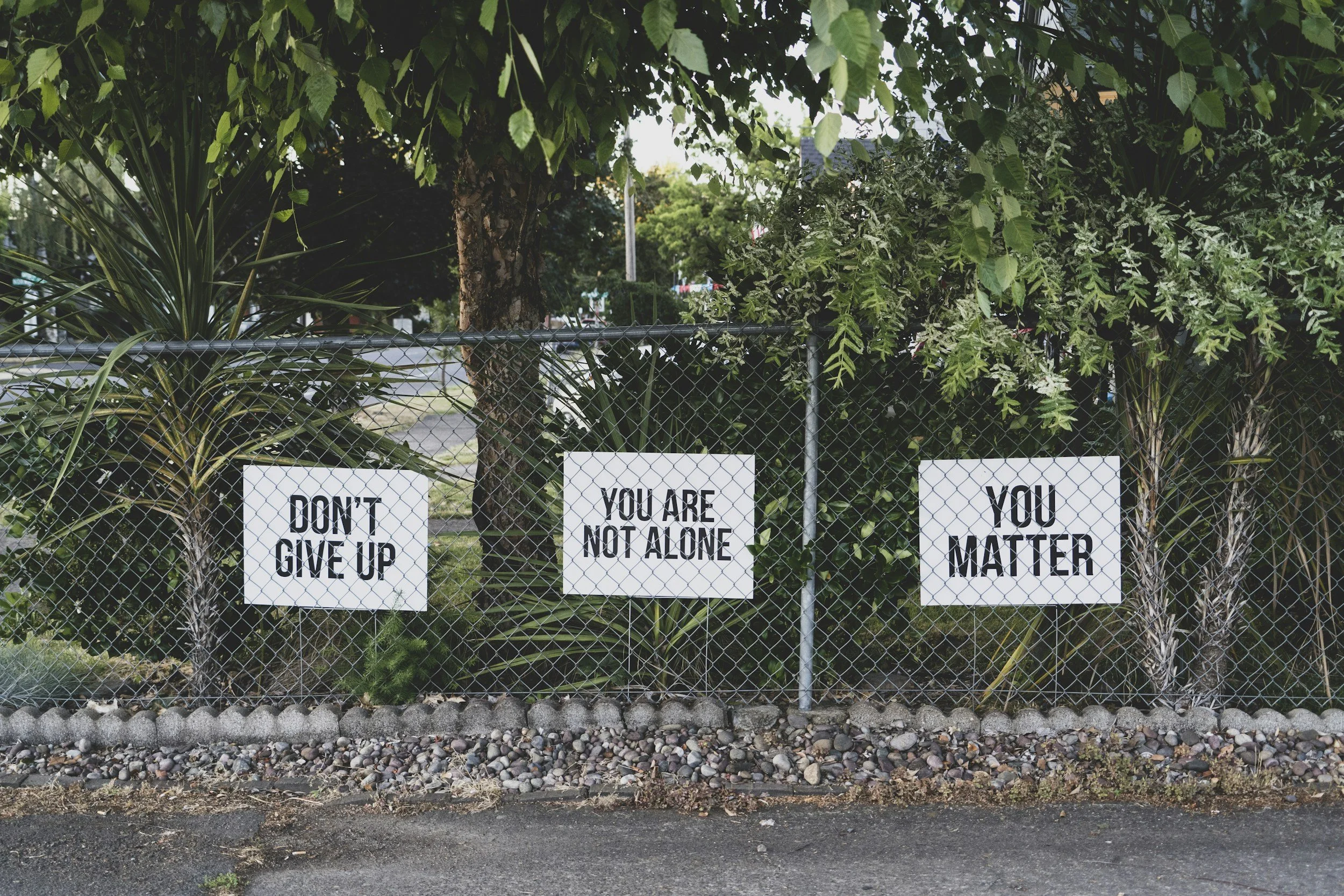
Streamers have a duty to their viewers and the streaming community at large to promote positive messages about mental health. Developing safe communities with clear rules and zero tolerance for toxicity helps such conversations in the long run. Pushing towards positive change is something every community should strive for. When it comes to the size of a streamer's following, streamers of any caliber can hold conversations about mental health; there are merely different benefits to be seen between large and small creators.
Many massive streamers have been known to advocate for mental health, in fact. One such example is Jacksepticeye, a 34-year-old Irish content creator and streamer with millions of followers. In the past, he has mentioned that many of his fans relate to his open conversations around mental health (Pollard, 2024). Streamers with massive communities bringing mental health to their conversations is incredibly impactful, considering their reach is vast and people often look up to them (and highly successful content creators in general).
Other streamers still have set an example of the importance of taking breaks to take care of your health. One streamer, Pokimane, has done this herself. As the most-followed female streamer on Twitch, her platform holds a lot of weight. She once announced that she was taking a break from streaming to focus on her mental wellbeing (Faulkner, 2022).
Beyond massive streamers, though, there is a lot of value to be found in smaller creators when it comes to discussing mental health. While large creators can serve as role models, small creators can serve as friends and confidants. In these small spaces, it's easier to develop a sense of community and belonging. The streamer and their viewers can hold more in-depth conversations surrounding mental health. Making online friendships is more likely, and such intimacy can have a lasting impact as well, even if it's on fewer people overall. Offering a safe space to viewers is not something to underestimated.
Beyond the scope of streamers, Twitch -- the predominant and most popular streaming platform -- partnered with NAMI (The National Alliance on Mental Illness) to write about mental health as well. They recognize that streaming, while often a fulfilling outlet, comes with various mental health challenges; they note that addressing such challenges is a priority for them (Twitch, 2019).
Between live streamers and major companies, there is a huge potential for positive change on many fronts. It would serve everyone well to continue to explore these avenues and develop even more positive emotions around open discussions regarding mental health.
My Personal Experience
From the get-go, I've always been a fervent supporter of mental health awareness and education, in part due to my own struggles with mental illness and neurodivergence. The way in which I help to fight the stigma is in two major ways: raising money for charity, and holding conversations about mental health and mental illness.
The power of charity is astounding when done properly. It's a fantastic way to directly support various causes, and the mental health field is no exception. Depending on the charity, proceeds can go to mental health advocacy, developing support groups to under-served communities, providing therapy to people who need it, and so much more.
My own community has experience when it comes to raising money for charity. Across several streams, my small community raised over $3,000 USD for a charity known as Hope for the Day, whose motto is simply "it's ok not to be ok." This non-profit focuses largely on outreach and education, and does so globally (Hope For The Day, n.d.). Raising money by promoting the charity and entertaining my community via games are a beautiful combination: people show up to watch the games, and they often end up donating to the cause.
Outside of my past charity work, I help dismantle the negative associations around mental health and mental illness by frequently holding regular conversations with my community about it. These conversations have become more comfortable and completely normalized. Anyone who wishes to discuss this sort of topic has a safe place to do so in my stream and on my Discord without judgment and with support from not just myself, but my community. Everyone is supportive and helpful, and they're good people to talk to about such struggles. In fact, a large portion of my community has issues with their own mental health, whether that be normal life stressors, clinical mental illness, or neurodivergence.
The diversity found in my small community is something I am deeply proud of. To illustrate this point, here are some of the issues I've been informed of by my community about their various struggles: schizophrenia, attention deficit hyperactivity disorder (ADHD), bipolar disorder (BD), major depressive disorder (MDD), generalized anxiety disorder (GAD), borderline personality disorder (BPD), autism spectrum disorder (ASD), obsessive compulsive disorder (OCD), post-traumatic stress disorder (PTSD), and various substance abuse disorders. Everyone in the community has something valuable to bring to the conversation, and I enjoy providing them a place to do so safely.
Due to my effort in building the community to be supportive and helpful, they have helped me, in turn. When I'm not doing well, I do not receive messages such as "you're just lazy" or "you need to put in more effort." Instead, I receive overwhelming support and understanding. They offer me a place to vent, and even say things such as "it's okay, your health comes first!" If this isn't a good example of "reaping what you sow," I don't know what is.
I am so very proud of what I've built, even if it isn't comprised of thousands of people. In my community, the tight-knit nature is actually for everyone's benefit; we're able to have intimate conversations outside of having fun and goofing around. It's an excellent balance, and when new people pop in, they will always find a welcoming space to become a part of. At the risk of sounding arrogant, many new communities can learn from my example if they wish to grow their own communities and safe spaces.
——————
References
Faulkner, C. (2022, July 21). Pokimane announces streaming hiatus to take a "mental reset." NME. https://www.nme.com/news/gaming-news/pokimane-announces-streaming-hiatus-to-take-a-mental-reset-3273877
Hope For The Day. (n.d.). About Hope For The Day. Hope For The Day. https://www.hftd.org/about-hftd
Pollard, J. (2024, December 4). Irish gamer Jacksepticeye turns holiday livestreams into millions for charity. AP News. https://apnews.com/article/youtube-twitch-livestream-jacksepticeye-philanthropy-d86132fc81181913ab08eb50cd3d05ed
Streamscharts. (2023, September 29). Streaming and mental health awareness. Streamscharts. https://streamscharts.com/news/streaming-and-mental-health-awareness
Twitch. (2019, April 30). The importance of mental health for every streamer. Twitch Blog. https://blog.twitch.tv/en/2019/04/30/the-importance-of-mental-health-for-every-streamer/
